
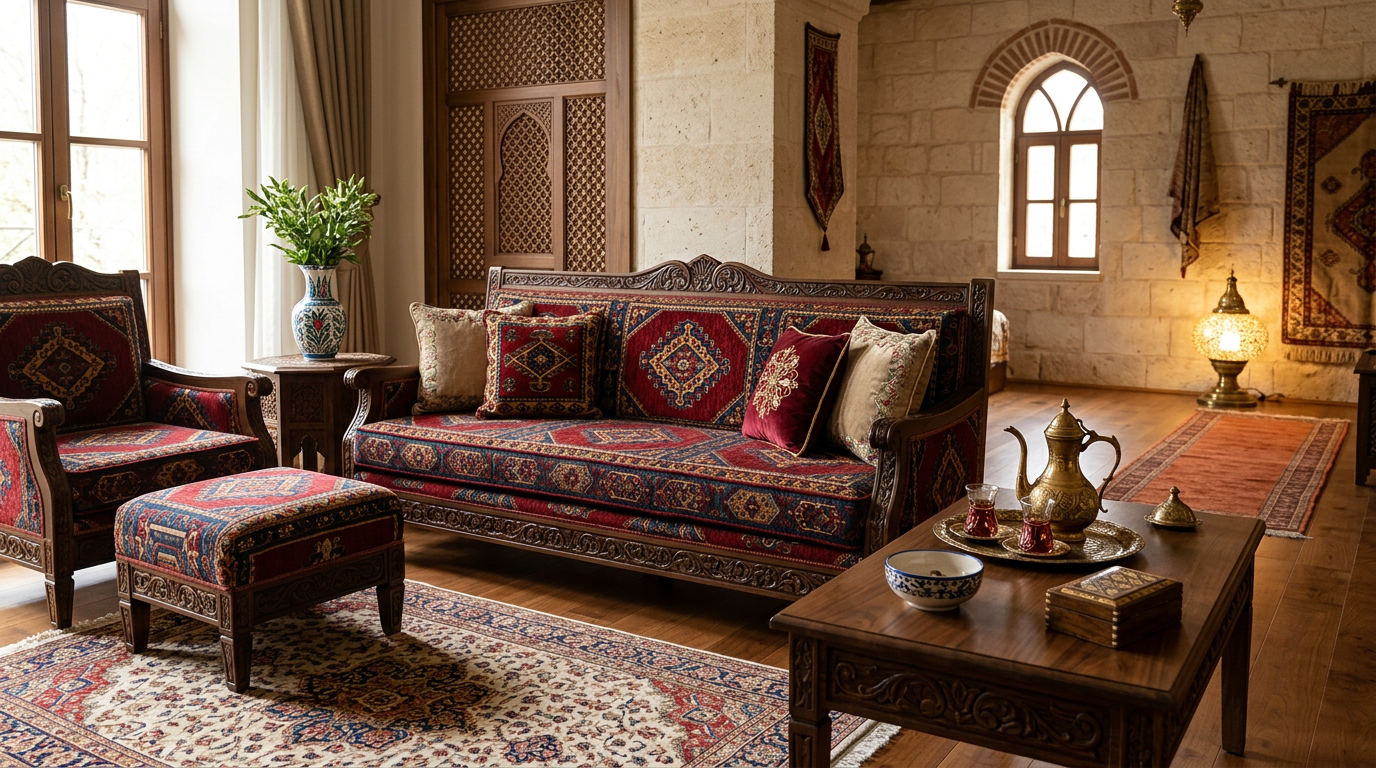
The landscape of interior design has undergone a radical transformation as we move through 2026. For American homeowners, the era of disposable, mass-produced “fast furniture” has officially come to an end. In its place, a new appreciation for longevity, artistry, and cultural heritage has emerged. At the forefront of this movement is Turkish furniture—a category that has transitioned from a niche specialty to a global benchmark for luxury and durability. Whether you are furnishing a sprawling estate in the Hamptons or a sleek high-rise in Chicago, the allure of Mediterranean craftsmanship combined with Anatolian history offers something that domestic big-box retailers simply cannot replicate.
Turkish furniture represents a unique intersection of the East and the West. It carries the weight of centuries-old Ottoman traditions while embracing the cutting-edge technology of modern manufacturing. This fusion has made it the primary choice for those who view their homes not just as living spaces, but as curated galleries of their personal values. As we explore the trends of 2026, it becomes clear that Turkish artisans have mastered the art of “quiet luxury”—the ability to create pieces that are visually stunning without being boastful, and incredibly sturdy without being clunky. This guide will walk you through why Turkish craftsmanship is currently dominating the American market and how you can integrate these timeless pieces into your own home.
The Evolution of Anatolian Craftsmanship in 2026
To understand why Turkish furniture is so highly regarded today, you must look back at its roots. For centuries, the workshops of Istanbul, Bursa, and Inegöl have been the heart of woodworking excellence. In 2026, this legacy has been digitized and refined, but the core principle remains the same: the human touch is irreplaceable. Turkish manufacturers have resisted the urge to fully automate their high-end lines, choosing instead to maintain a workforce of master carvers and upholsterers who pass their skills down through generations.
The current market favors “slow living,” and Turkish furniture fits this philosophy perfectly. Every joint, every hand-carved motif, and every selection of fabric tells a story of patience. Unlike the particle-board alternatives found in many American malls, authentic Turkish pieces utilize solid hardwoods like walnut, oak, and hornbeam. These materials are treated with organic oils and non-toxic finishes, reflecting the 2026 consumer’s demand for health-conscious and environmentally friendly home environments.
Important: When sourcing authentic pieces, always look for the “Master’s Mark” or a certificate of origin. In 2026, the best Turkish brands provide a digital “birth certificate” for their furniture, detailing the source of the wood and the names of the artisans involved in its creation.
Modern Turkish design has also pivoted toward “Fluid Grandeur.” This style takes the intricate patterns of the past and simplifies them for contemporary tastes. You will see sofas with sleek, aerodynamic silhouettes that are still adorned with subtle gold-leaf accents or hand-stitched silk piping. It is this balance between the ancient and the futuristic that allows these pieces to anchor a room regardless of the surrounding decor.
Why Turkish Furniture is the Top Choice for US Homeowners
The American consumer in 2026 is more discerning than ever. There is a heightened focus on the “Value-per-Year” metric rather than just the initial price tag. Turkish furniture excels here because it is built to last for decades, often becoming a family heirloom. But durability is only one part of the equation; customization is the other.
One of the greatest advantages of Turkish furniture companies, such as Asortie, is their commitment to bespoke service. In the United States, standard furniture sizes often fail to fit the unique dimensions of modern architectural designs. Turkish manufacturers have bridged this gap by offering “Couture Living” solutions. You are not just buying a sofa; you are participating in its design. From choosing the specific density of the foam to selecting high-performance, stain-resistant fabrics that still feel like natural velvet, the level of personalization is unparalleled.
Materials and Sustainability
Sustainability is no longer a buzzword; it is a requirement. By 2026, Turkey has implemented some of the world’s strictest forestry management laws. This means the wood used in your dining table is sourced from renewable forests where every harvested tree is replaced by three new saplings. Furthermore, the use of natural stones—like the famous Turkish marbles from Afyon and Marmara—adds a layer of raw, organic beauty to furniture that synthetic materials cannot mimic.
The Technology of Comfort
While the exterior of Turkish furniture reflects tradition, the interior is often high-tech. In 2026, we see the integration of ergonomic “Memory-Comfort” systems within Turkish seating. These systems use multi-layered padding that adjusts to the user’s body temperature and weight, providing a level of support that rivals orthopedic medical equipment. For the American professional working from home, this fusion of executive aesthetics and physiological support is a game-changer.
| Feature | Mass-Produced “Fast” Furniture | Authentic Turkish Furniture (2026) |
|---|---|---|
| Primary Material | MDF, Particle Board, Veneer | Solid Walnut, Oak, Hornbeam |
| Joinery | Glue and Staples | Mortise and Tenon, Dovetail |
| Lifespan | 3 – 5 Years | 40+ Years (Heirloom Quality) |
| Customization | Limited to 2-3 colors | Fully Bespoke (Fabric, Size, Finish) |
| Sustainability | High Carbon Footprint | Low Carbon, Certified Sustainable |
| Resale Value | Negligible | Increases with Age/Vintage Status |
Room-by-Room: Transforming Your American Home
Integrating Turkish furniture into a standard American floor plan requires an understanding of scale and focal points. Turkish pieces tend to be “statement pieces,” meaning they are designed to draw the eye and command the room.
The Living Room: The Heart of Hospitality
In Turkish culture, hospitality (Misafirperverlik) is sacred. This is reflected in the design of their living room sets. In 2026, the trend is toward “Conversation Circles.” Instead of everyone facing a television, the furniture is arranged to encourage face-to-face interaction. Large, deep-seated sectionals upholstered in “smart fabrics”—which are both cat-scratch resistant and liquid-repellent—are incredibly popular in US households.
The Dining Room: A Banquet of Elegance
Turkish dining tables are often the crown jewel of the home. Hand-carved legs featuring intricate floral or geometric patterns provide a sense of stability and grandeur. For 2026, many American designers are pairing these heavy, artisanal tables with lighter, more minimalist chairs to create a “Transatlantic Fusion” look. A solid marble-top dining table from Turkey is not just a place to eat; it is a durable surface that can handle everything from family holiday feasts to an impromptu home office setup.
The Bedroom: A Sanctuary of Silk and Wood
The 2026 “Sleep Sanctuary” movement emphasizes the bedroom as a place devoid of stress. Turkish bedroom sets often feature high, padded headboards that provide acoustic insulation, making the room quieter. The use of aromatic woods like cedar in the interior of wardrobes and dressers adds a sensory layer to the room, keeping clothes fresh and providing a calming scent that aids sleep.
Important: When measuring for Turkish bedroom furniture, keep in mind that European and Turkish “King” sizes may vary slightly from US “Eastern King” or “California King.” Always provide your specific mattress dimensions to the manufacturer to ensure a perfect fit for the bed frame.
The Sustainable Edge and Ethical Manufacturing
As we navigate the environmental challenges of 2026, the ethics of how our furniture is made have become a primary concern for the American public. Turkey has positioned itself as a leader in “Ethical Luxury.” This means that when you purchase a high-end Turkish cabinet or sofa, you are supporting a supply chain that prioritizes fair wages, safe working conditions, and carbon-neutral shipping practices.
Many Turkish factories have now transitioned to 100% solar power. Additionally, the “Zero Waste” initiative in Turkish furniture hubs ensures that wood offcuts are repurposed into smaller decorative items or compressed into eco-friendly heating pellets. This holistic approach to manufacturing resonates deeply with the values of younger American generations who are reaching their peak home-buying years.
The durability of these pieces also plays a massive role in sustainability. The most eco-friendly product is the one you never have to replace. By investing in a hand-crafted Turkish chest of drawers, you are preventing the cycle of landfill waste that characterizes the cheaper furniture market. In 2026, “buying once and buying well” is the ultimate status symbol of the environmentally conscious elite.
Navigating the Import Process for Luxury Pieces
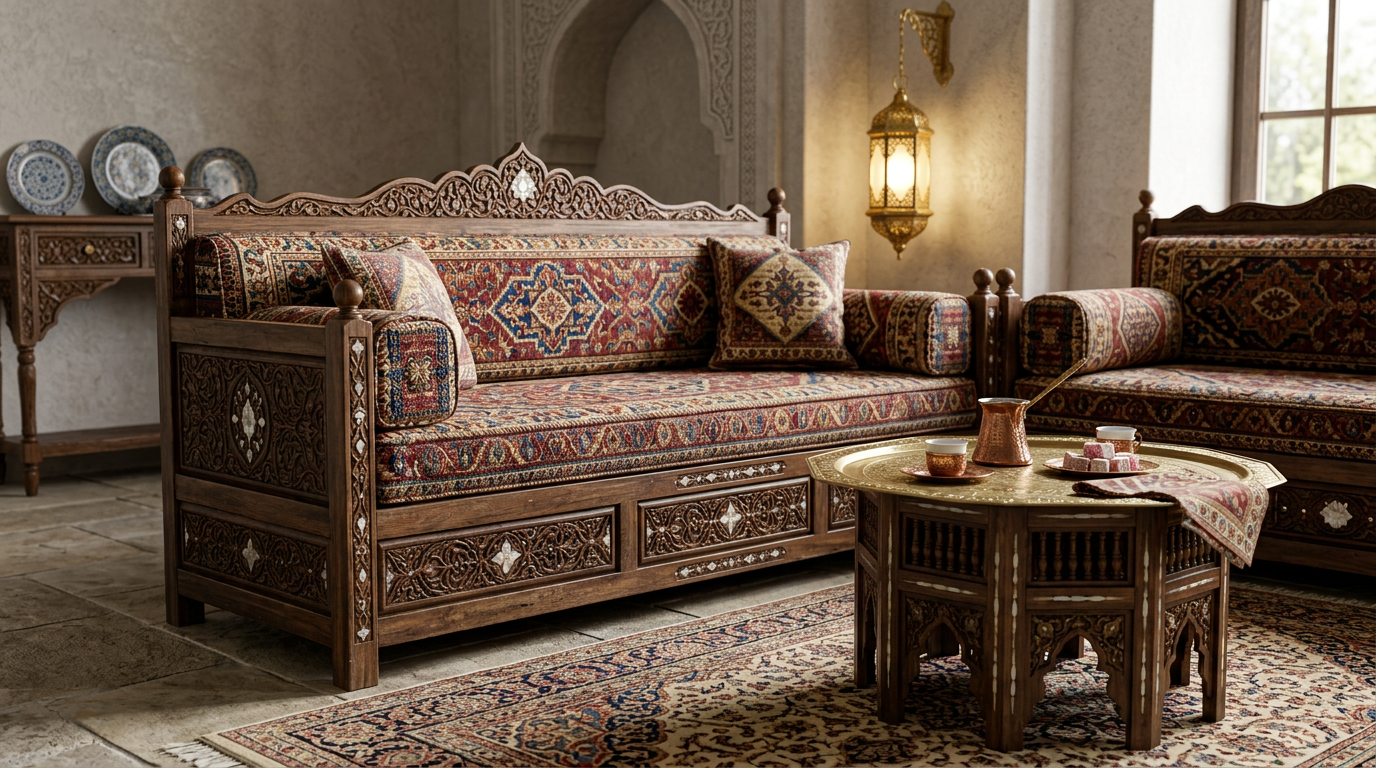
A common concern for American buyers is the logistics of getting these masterpiece-level items from Istanbul to their doorstep. Fortunately, by 2026, the “Global Artisan Bridge” has made this process seamless. Most premium Turkish brands now have dedicated logistics hubs in New Jersey, Texas, and California, significantly reducing shipping times and costs.
When ordering directly from Turkey, you should expect a lead time of 8 to 12 weeks for bespoke items. This “wait for greatness” is part of the luxury experience. During this time, many high-end workshops provide video updates of your furniture being built, allowing you to see the raw timber transform into a finished product.
Important: Ensure that your purchase price includes “White Glove Delivery.” This service is essential for Turkish furniture, as the solid wood construction makes these pieces significantly heavier than standard items. Professional installers will ensure the furniture is placed correctly and that all leveling is adjusted for your specific flooring.
Furthermore, the 2026 trade agreements between the US and Turkey have streamlined the customs process, making high-end furniture more accessible than ever. The focus is now on transparency, with all duties and taxes usually included in the initial quote, so there are no surprises when the delivery truck arrives at your home.
Future Trends: What to Expect Beyond 2026
As we look toward the end of the decade, Turkish furniture design is moving toward “Neo-Heritage.” This involves the use of 3D-printed bio-materials to create intricate shapes that were previously impossible to carve by hand, which are then finished by traditional artisans. This blend of “Techno-Artisan” work is set to redefine luxury.
We are also seeing a rise in “Health-Integrated Furniture.” Turkish designers are experimenting with infusing wood finishes with natural antimicrobial properties and creating upholstery fabrics that actively purify the air in the room. This forward-thinking approach ensures that Turkish furniture will remain at the top of the global market for years to come.
In conclusion, Turkish furniture is not just a trend; it is a lifestyle choice for those who value quality, history, and sustainability. It offers an escape from the bland uniformity of modern retail and provides a way to anchor your home in something real, tangible, and beautiful. Whether you are looking for a single statement piece or a full-home renovation, the artisans of Turkey offer a level of excellence that is truly world-class.
Sıkça Sorulan Sorular
Turkish furniture is beautiful, but is it durable enough for homes with children and pets?
Yes, it is exceptionally durable. Authentic Turkish furniture is constructed from solid hardwoods and utilizes high-performance fabrics that are specifically designed to withstand the rigors of family life. In 2026, most luxury pieces are treated with nanotechnology coatings that make them resistant to spills, scratches, and odors while maintaining a soft, natural feel.
How do I know if the Turkish furniture I am buying is authentic?
Authentic pieces will always come with documentation verifying their origin. Look for reputable brands like Asortie that have a long-standing history of craftsmanship. In 2026, you can also check for holographic authenticity tags or blockchain-verified digital certificates that track the item from the workshop to your home.
Why is Turkish furniture often considered better than furniture made in East Asia or Europe?
Turkey offers a unique balance of quality and cost. While it matches the artisanal quality of Italian furniture, it is often more competitively priced due to Turkey’s strategic location and integrated supply chain. Unlike mass-produced items from East Asia, Turkish furniture focuses on solid wood and hand-finished details rather than veneers and chemical adhesives.
Can I customize the dimensions of a Turkish sofa to fit my small apartment?
Absolutely. One of the hallmarks of the Turkish furniture industry is its flexibility. Most manufacturers operate as “ateliers” rather than assembly lines, meaning they can adjust the length, depth, and even the height of a piece to match your specific spatial requirements and ergonomic needs.
What are the most popular wood types used in Turkish furniture in 2026?
Walnut remains the gold standard for its rich grain and strength. However, we are seeing a significant rise in the use of Hornbeam for structural elements due to its incredible density. For more modern, lighter-colored interiors, Turkish Oak is a popular choice, often finished with matte, “raw-look” oils.
Does Turkish furniture require special maintenance or cleaning?
Because it is made from natural materials, it thrives on simple care. Dusting with a soft microfiber cloth and using pH-neutral wood cleaners once a month is usually sufficient. Avoid harsh chemicals or wax-based polishes, as these can build up and dull the natural luster of the hand-applied oils.
How long does it typically take for a custom order to arrive in the USA?
For a fully bespoke piece, the timeline is generally 8 to 14 weeks. Bu includes the design phase, hand-crafting, quality control, and trans-Atlantic shipping. While this is longer than “off-the-shelf” options, the result is a unique piece of art tailored specifically to your home.
*
Kaynaklar
- Asortie Luxury Furniture – Official Website
- International Interior Design Association (IIDA) – 2026 Global Trends Report
- Turkish Exporters Assembly (TIM) – Furniture Sector Analysis
- Sustainable Furnishings Council (SFC) – Certification Guidelines 2026